SelfSIA connects to your bank through licensed Open Banking rails and lets AI do the bookkeeping - without a single spreadsheet, PDF, or password ever changing hands. Here's exactly how we keep it that way.
The old way vs. SelfSIA
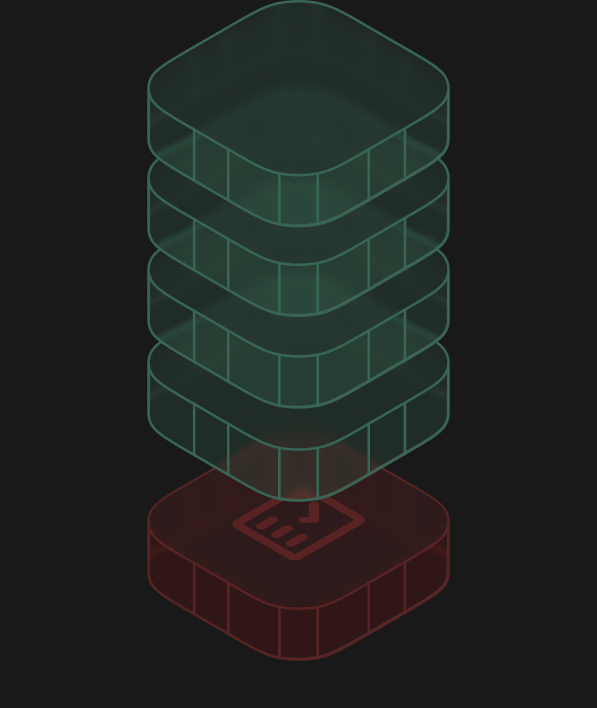
Most businesses "secure" their accounting by forwarding bank statements over email or WhatsApp to a bookkeeper who stores them on a personal laptop. Compare that workflow to what happens inside SelfSIA.
What most small businesses still do today
What happens the moment you connect your bank
Architecture
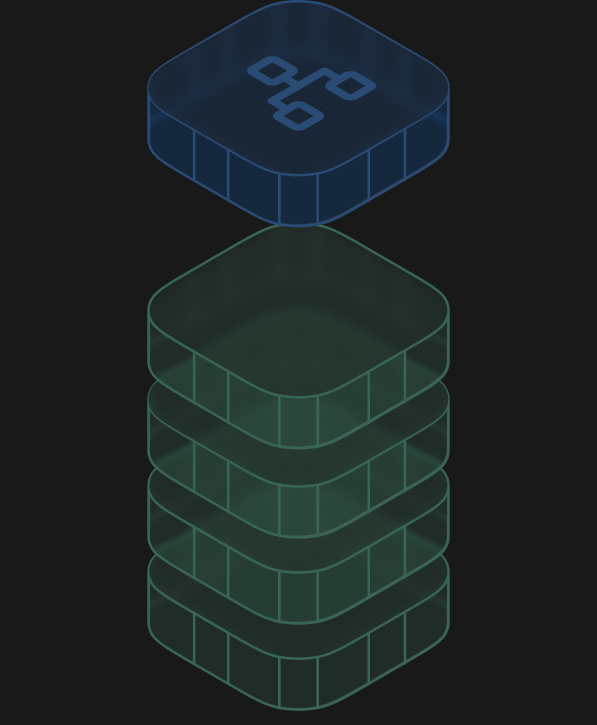
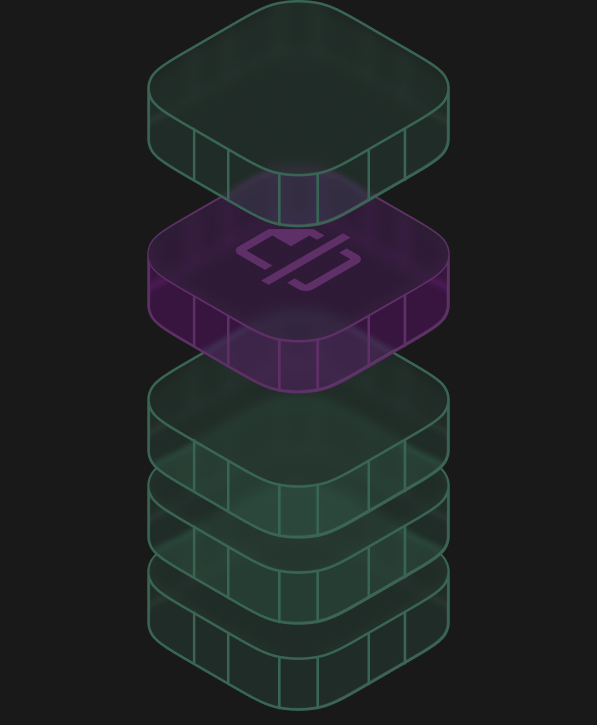
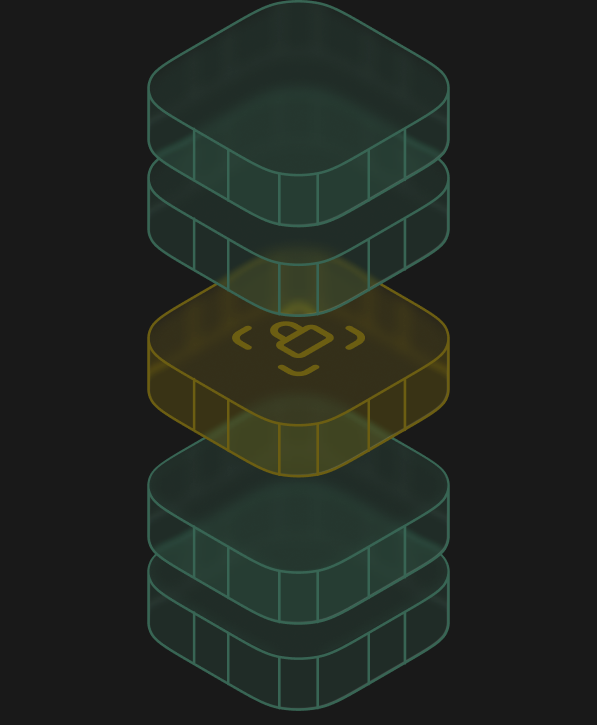
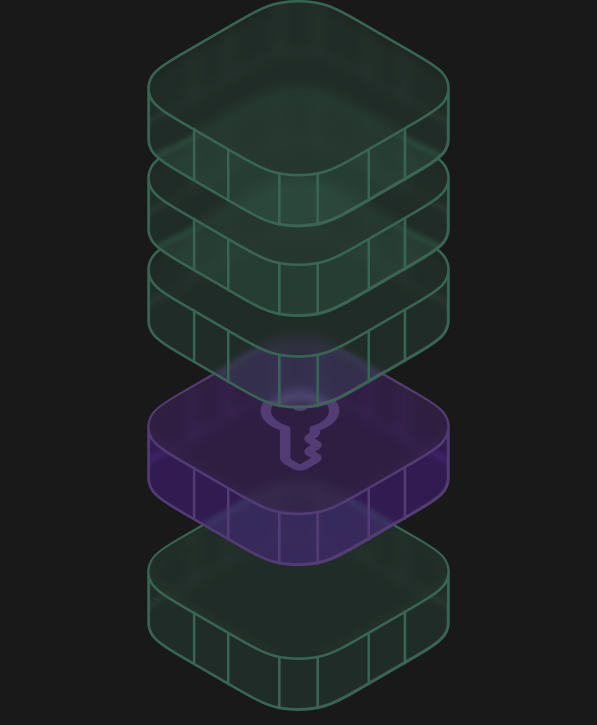
We follow a defense-in-depth model: no single control is asked to do all the work. Data is wrapped in independent layers, from the network down to the individual ledger entry.
Controls
No jargon without a definition. Here's what each control means for your business day to day.
Data is encrypted in transit with TLS 1.3 and at rest with AES-256 - the same standard used across the banking sector.
Bank connections run through PSD2-regulated aggregators. We request read-only permissions - never your online banking password.
Role-based permissions and mandatory two-factor authentication mean access is scoped to exactly what each person needs.
Every upload, edit, and AI-generated entry is timestamped and attributed - a tamper-evident record you can hand to any auditor.
Data is hosted within the EU and processed under GDPR. It is never sold, and never shared with third parties for marketing purposes.
Automated, encrypted backups run across multiple availability zones, with disaster-recovery procedures tested on a regular schedule.
SelfSIA staff cannot browse customer data by default. Production access is granted only when required, and every instance is logged.
Automated threat detection and vulnerability scanning run around the clock, flagging anomalies before they become incidents.
Security researchers can report issues directly to our team. Every report is triaged and acknowledged within two business days.
Data lifecycle
You authenticate directly with your bank through its own secure login. SelfSIA receives a read-only access token - never your credentials.
Transactions are encrypted in transit (TLS 1.3) the moment they leave your bank, before they ever touch SelfSIA's servers.
Our AI categorizes and reconciles entries inside an isolated processing environment scoped to your workspace alone.
Results are encrypted at rest (AES-256) and stored in EU data centers, backed up across multiple availability zones.
Data is kept only as long as legally required for accounting records, or deleted on request in line with your GDPR rights.
Connected through licensed, regulated banking infrastructure
Where we stand
We'd rather show you the real state of things than round up. Here's what's live today and what's on our compliance roadmap as we scale.
SelfSIA is built from day one on the technical controls that frameworks like SOC 2 and ISO 27001 require - encryption, access management, logging, and incident response - rather than bolting them on afterward.
As we scale, we're formalizing these controls into independently audited certifications. If you need documentation for your own compliance process today, our security team can share our current control set directly.
Our team can walk you or your auditor through our full control set, data flow diagrams, and current roadmap.