E-invoices without panic: how an SIA can prepare for the new reality

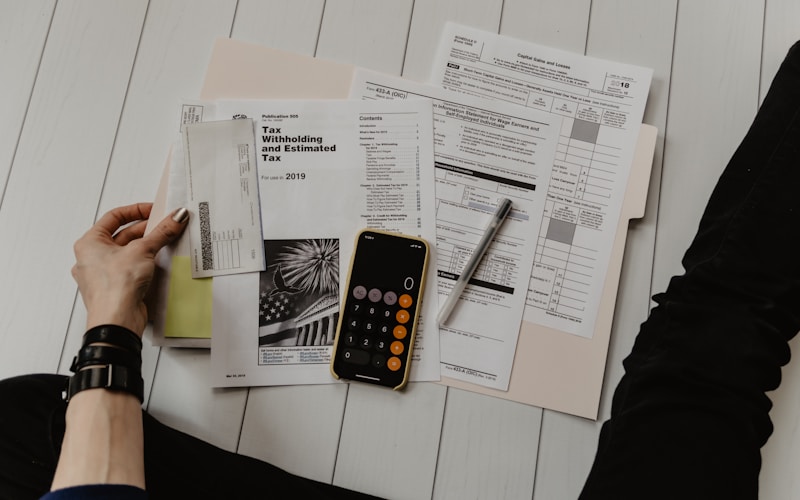
What e-invoices mean for Latvian companies, why they are not just PDFs, and how a small SIA can prepare its invoicing process in time.
For many business owners, e-invoices still sound like another technical format that only accountants need to understand. In reality, the topic is much broader. An e-invoice is not just a PDF attached to an email. It is a structured electronic document that software can read and process automatically. That means less manual data entry, fewer typing mistakes, and a cleaner flow of information between the company, the client, accounting, and VID.
Latvia is introducing e-invoicing in stages. E-invoices are already required in transactions with the public sector, while broader mandatory use for B2B transactions between Latvian companies is planned from 1 January 2028. The period before that is a valuable opportunity to prepare calmly instead of rebuilding the invoicing process under pressure.
A small SIA does not need to become an XML expert overnight. The more important question is where the current invoicing process is messy: are customer details correct, are invoices stored in one place, is it clear which invoices are paid and which are overdue, and who in the company is responsible for checking invoice status? If these basics are not in place, e-invoicing will feel harder than it needs to be.
A practical first step is to create a simple, repeatable invoice workflow. Every customer should have clean details, every invoice should have a clear status, and every payment should be connected to the right document. This gives the owner visibility not only into invoices issued, but also into actual payments, overdue amounts, and possible VAT or cash flow risks.
E-invoices are not only a compliance topic. They can also make the business faster and more organized. The less information is retyped by hand, the lower the risk of mistakes in amounts, dates, registration numbers, or VAT rates. Over time, this means smoother accounting, faster processing, and fewer back-and-forth messages with clients and accountants.
SelfSIA helps small businesses prepare for the e-invoicing era step by step by keeping invoices, documents, payments, and financial data in one understandable workspace. When the data is already clean and the process is clear, the move to e-invoices becomes less like a painful reform and more like the next natural step in digital bookkeeping.


Ready to simplify your bookkeeping?
Join businesses already saving hours every month with SelfSIA.
Might be interesting
Accountant or AI Tool: Why More SIA Owners Are Choosing the Second Option
If you own an SIA and every month you wait for your accountant’s email with questions about receipts you no longer remember, this article is for you. In recent years, more and more small business owners in Latvia are choosing not simply to replace one accountant with another, but to rethink how bookkeeping should be done altogether. The reason is simple: AI tools can now handle a large part of the work you used to pay a person for - often faster, cheaper, and without waiting for a reply.
The VAT threshold is not just one number: what SIA owners often miss
A simple guide to the Latvian VAT registration threshold, the 50,000/55,000 EUR limits, and how a small SIA can spot the risk early.
Dividends without myths: what an SIA owner should understand before distributing profit
How SIA owners should think about dividends: tax regimes, profit distribution, documents, and why dividends are not a simple salary replacement.